
Electric Vehicle ownership has become increasingly more popular. Official figures show that 17.8% of all new car sales in 2023 were battery electric vehicles. It was the best year of new electric vehicle sales with 314,687 new EV registrations. So we are still on course for a potential 10 million battery electric vehicles on UK roads by 2030. It’s still more expensive to own an electric vehicle though (just!) even with a backdrop of high energy prices the cost is coming down. And in terms of maintenance it is far cheaper to own an EV overall. With only 18% market share of the new car market there is still some way to go. Further Government intervention will be needed to achieve the goals set out to increase electric vehicle usage and reduce/eliminate petrol and diesel vehicles on UK roads. And, as of 2024, the grants available have been paired back, although help is available. So it may be useful to know what grants are available for Electric Vehicles in the UK.
The price of purchasing an electric vehicle has always been higher than that of a conventional vehicle. But that is changing. And if you take in total running and upkeep costs, the point where electric vehicles are cheaper to own than petrol/diesel vehicles has been reached. It won’t be long until electric vehicle ownership is widely perceived as the more cost effective motoring option.
The good news is that there are Government grants available to help promote the ownership of electric vehicles. The bad news is these grants have changed significantly over the last few years.
June 2022 saw the end of the Plug-in Car Grant for buying an electric car. Up until this point it gave consumers £1500 towards the purchase of an electric car under £32,000. The change was made to put more emphasis on the infrastructure needed for charging nationwide (and to save money no doubt). As a consequence there’s not much help when buying an EV. But there are vehicles that are still eligible, though not commonly known about. So we’ve put together a guide to what grants are available as of January 2024 in the UK.
The Plug-in Car Grant or PICG is a scheme where you can get a discount on the price of a brand new low-emission vehicle. The grant is given to vehicle dealerships and manufacturers who then pass this discount on to customers. So the price of the vehicle is reduced by the grant amount by the dealer. Vehicles that are eligible for the grant have to be included on the Governments approved list (which you can find here).
Mopeds, motorcycles and vans are included in the PICG, each with a different discount attached and some with limitations on the number of grants available:
For more information on truck grant caps please see Government Plug In Car and Van Grants.

From the 1st April 2022 the Government replaced the old Electric Vehicle Homecharge Scheme (EVHS), which was open to homeowners, with the EV chargepoint grant. This is aimed squarely at the rental market and can benefit both renters and landlords.
This scheme has replaced the EVHS scheme and is open to homeowners who live in flats and people that live in rental accommodation. To qualify:
Both the charging point and the installer must be OZEV approved. To receive the grant, the date of installation must not be more than four months ahead of delivery or registration date. More information on how we can help with this grant is available here or you can visit the government website for more specific details about the scheme.
A new scheme is available which provides funding to install electric vehicle charge points as a landlord, social housing provider or property factor in their rental and leasehold properties. This scheme replaces the old Electric Vehicle Homecharge Scheme (EVHS). The scheme is open to:
To be eligible you must be registered at Companies House. If not, you must be VAT registered with Her Majesty’s Revenue and Customs (HMRC). If you are not registered at either, you will not be eligible for the grant. To access the grant a landlord must first register. They can then appoint an OZEV approved installer who can claim on their behalf. The grant provides funding towards the cost of buying and installing EV chargepoints. Chargepoints may be able to charge one or more vehicles simultaneously, depending on the number of sockets they have.
The grant amount given is per chargepoint socket installed. It provides up to 75% of the cost towards the purchase and installation of a chargepoint socket, limited to £350 per grant.
Landlords can receive up to 200 grants a year for residential properties, and a further 100 for commercial properties. These may be across a number of properties and installations or just for one property.
This grant is also available to local authorities that own social housing. They can apply under the same terms up to a maximum of 200 grants per year.
This grant provides landlords with money for building and installation costs when installing multiple charging point sockets for parking spaces, including the wiring and posts associated with each point.
The grant provides up to £30,000 or 75% off the cost of works. As many as 30 infrastructure grants can be claimed each year as long as each is for a different property.
There are additional criteria for landlords to be eligible for these grants:
Landlords can apply for this grant by filling in the EV Chargepoint Grant for Landlords registration form.

Local authorities can take advantage of an additional grant that is provided to increase the availability of Electric Vehicle Plug-in chargers for residents that don’t have off-street parking.
It offers funds for up to 60% of the costs of installing on-street EV Charge Points up to a value of £7,500. (it also includes parking bays). Local authorities apply for this grant through the Energy Saving Trust who are running the scheme on behalf of OZEV.

The government has put in place help for businesses and organisations who rent, lease or manage residential properties and install electric vehicle (EV) charging points in their car parks.
The Driver and Vehicle Licensing Agency (DVLA) administers the grant on behalf of the Office for Zero Emission Vehicles (OZEV).
You can claim up to £30,000 or 75% of the installation cost and can only claim one grant per building. If more charge points are needed in addition to those provided by this grant, then the EV chargepoint grant for landlords can be used.
Businesses can get up to:
£500 per passive parking space
£350 per active parking space
You can receive up to 30 grants per financial year. The financial year runs from 6 April to 5 April the next year.
The Workplace Charging Scheme (WCS) is a government scheme for electric vehicles offered by the Office for Zero Emission Vehicles (OZEV). The WCS is open to businesses, charities and public sector organisations that meet the eligibility criteria (see below).
Businesses can reduce the cost of Workplace chargepoints by up to £14,000 with the government WCS grant. It’s a voucher-based grant designed to help with the up-front costs of buying and fitting charge points at a workplace. Businesses of all shapes and sizes can be eligible for £350 funding per charging socket at their workplace car park. Along with this financial incentive there are also generous tax incentives for company car drivers using an EV vehicle. These can mean savings of more than £2,000 a year to businesses and individuals. Full details of the benefits of an electric fleet can be found on our blog.
February 2024 saw the announcement that state funded schools and education institutions with dedicated off-street parking will see an increase in the grants available under a new grant covered by the WCS. The new grant will provide up to 75% of the cost to buy and install chargepoints, up to £2,500 per socket, up from the previous £350. This will be capped at 40 sockets across all sites. The idea is to boost the chargepoint facilities for staff and visitors and could ultimately help schools to generate revenue by making the chargepoints available to the public.
The grant is capped at £350 per socket, up to 40 sockets.
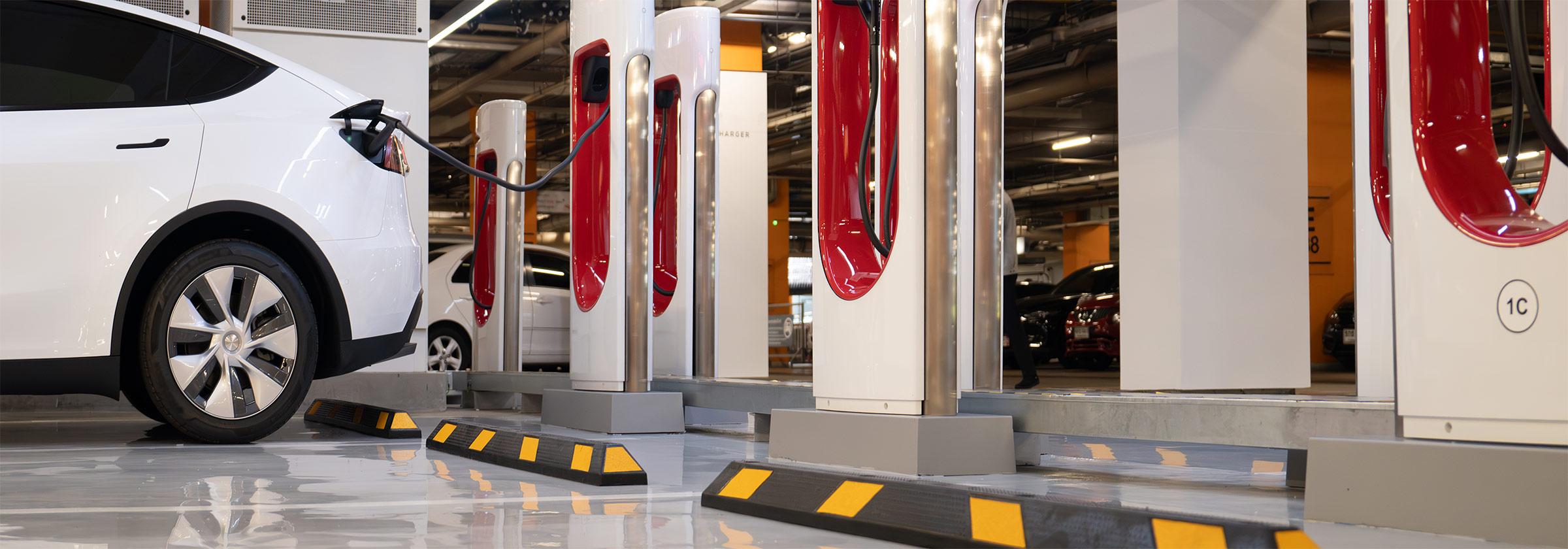
MP Walden is a Commercial EV Charger Installer on the list of Government approved OZEV Workplace Charging Scheme authorised installers. Our experienced Commercial Electric Vehicle Charger Installers are available to help you through the process of claiming the grant. Full information on the scheme is available on the government website linked here.
This grant is aimed at small to medium-sized businesses planning to install EV charging points on their premises.
They can get up to £850 per parking space with an EV charger up to a maximum of £15,000. If more charge points are needed than covered by this amount, businesses can use the Workplace Charging Scheme instead (see above).
Needless to say, as Electric Vehicle Charger Installers for both domestic and commercial customers, we make it our business to know exactly what’s going on in the market and with regards to policies and grants. If you’re in any doubt as to what grants are available for Electric Vehicles in the UK, especially those relating to EV Chargers, don’t hesitate to get in touch.
| Cookie | Duration | Description |
|---|---|---|
| cookielawinfo-checkbox-analytics | 11 months | This cookie is set by GDPR Cookie Consent plugin. The cookie is used to store the user consent for the cookies in the category "Analytics". |
| cookielawinfo-checkbox-functional | 11 months | The cookie is set by GDPR cookie consent to record the user consent for the cookies in the category "Functional". |
| cookielawinfo-checkbox-necessary | 11 months | This cookie is set by GDPR Cookie Consent plugin. The cookies is used to store the user consent for the cookies in the category "Necessary". |
| cookielawinfo-checkbox-others | 11 months | This cookie is set by GDPR Cookie Consent plugin. The cookie is used to store the user consent for the cookies in the category "Other. |
| cookielawinfo-checkbox-performance | 11 months | This cookie is set by GDPR Cookie Consent plugin. The cookie is used to store the user consent for the cookies in the category "Performance". |
| viewed_cookie_policy | 11 months | The cookie is set by the GDPR Cookie Consent plugin and is used to store whether or not user has consented to the use of cookies. It does not store any personal data. |